

Cedar Dunes, West Point
This stretch of oceanfront shoreline, once edged by rolling sand dunes now lost to time, first became protected public land when it was sold to the Province by William Dyment in 1962. When Cedar Dunes Provincial Park was developed, it was noted for a rare natural feature, one of the few remaining stands of cedar on Prince Edward Island.
That rare balance between land and sea sets the tone for what makes West Point unlike anywhere else. There is only one West Point, a place where the coast defines daily life and the forces of nature are always close at hand. Constantly changing, the landscape reflects generations who lived and worked with the sea, shaped not only by its bounty but also by the full wrath of wind, waves, and storm.
You May Also Be Interested
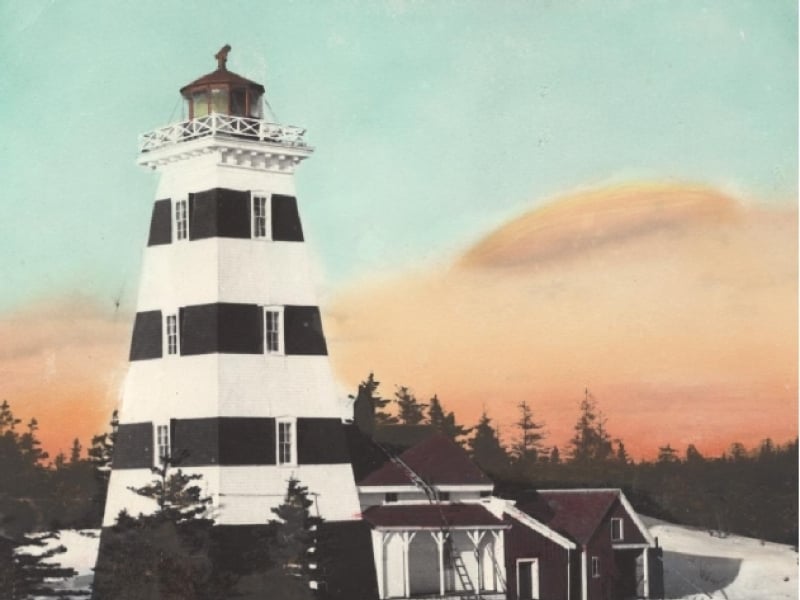
West Point Lighthouse
From 1876 to 1963, the bold black‑and‑white West Point Lighthouse stood watch over passing ships. Remarkably, it was tended by only two keepers, both of whom lived on site with their families. The first, William A. MacDonald, was recommended by Senator Yeo, one of PEI’s leading shipbuilders. Known locally as “Lighthouse Willy,” he never missed a single night of duty in 50 years. The second and final light keeper was Benjamin “Bennie” MacIsaac, marking the end of an era in coastal guardianship at West Point.
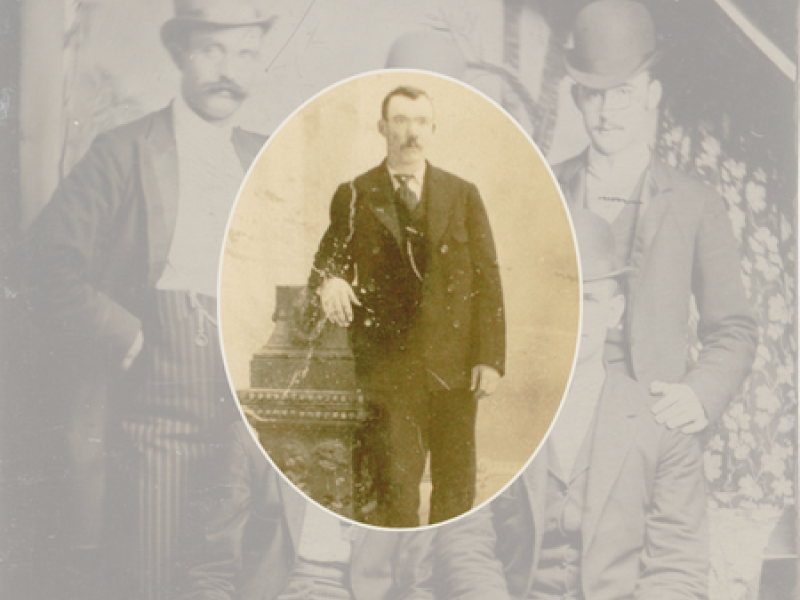
From West Point Boy to Outlaw Legend
West Point seems an unlikely birthplace for a notorious American outlaw — but George Sutherland Currie, born here in 1871, became exactly that. After moving with his family to Nevada as a child, he fell into horse and cattle rustling, built a fearsome Midwest gang under the alias "Flat-Nose Curry," and eventually rode with Butch Cassidy's legendary Wild Bunch.
His outlaw years were a revolving door of bank and train robberies, posse captures and daring escapes, until a Utah sheriff ended his run for good in 1900.
Currie – An Eastern Western, a Bell TV1 series, imagines what might have happened if Currie had brought those outlaw ways back home to PEI.